Do you choose a wired or wireless home automation system?
Posted on October 23, 2017 • 3 min read • 505 words
I have previously written about a wired or wireless network. Just as this applies to networks, this also applies to home automation systems.
When you have a home automation system you can roughly choose from three systems: a wired system, a completely wireless system or a combination of wireless and wired.
There are advantages and disadvantages to both wireless and wired. Which ones are important to you depends on when you start using your home automation system. It also depends on whether you want to take the future into account.
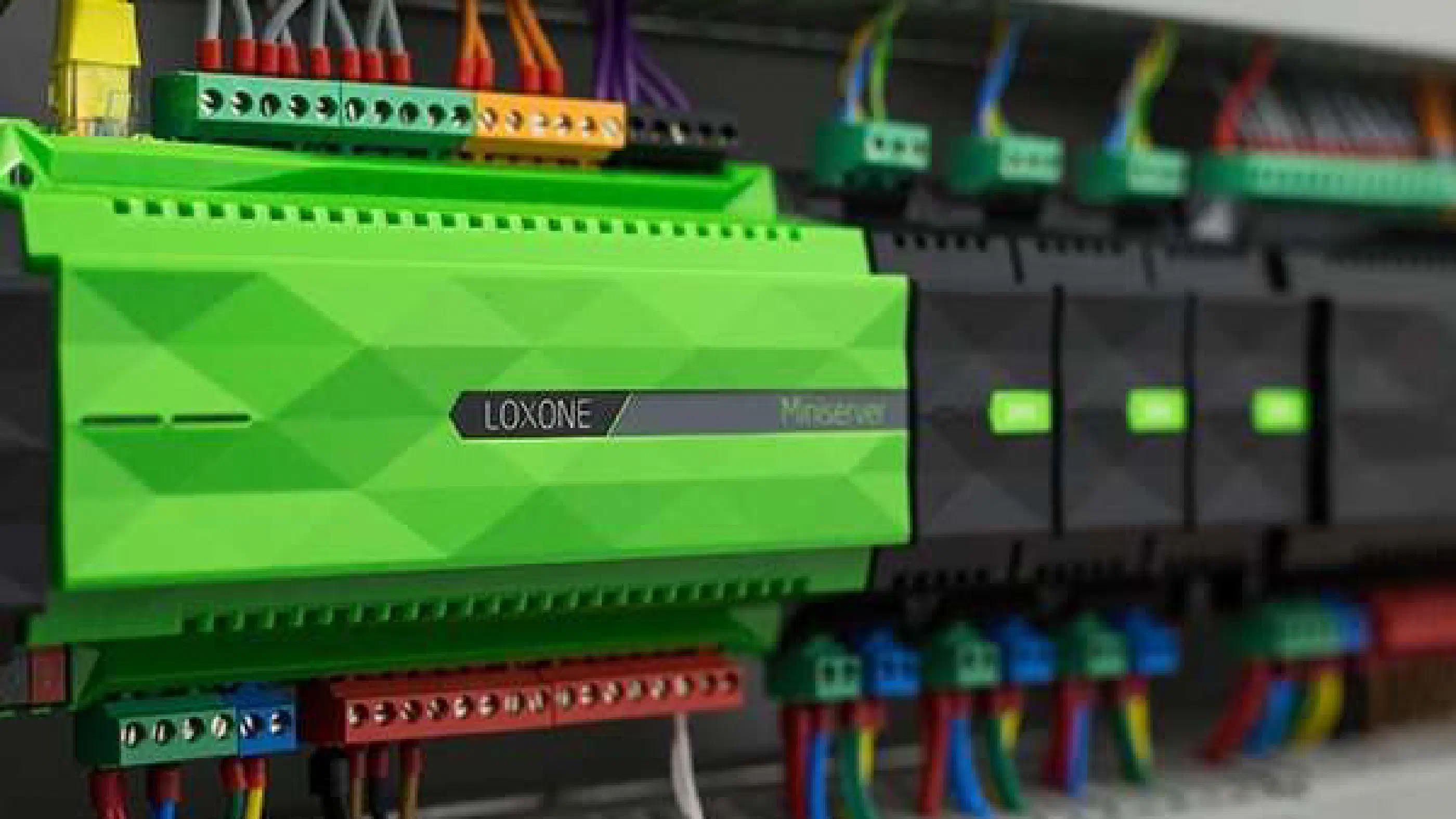
Wired
To neatly conceal a fully wired system in an existing home, some cutting and breaking work is generally required. That is why this is often only used in new construction or during a thorough renovation. The advantage is that a fully wired system generally responds faster to signals.
The big advantage of a wireless system is that it can be expanded without any hacking or breaking work. One of the disadvantages of wireless is that the signals from the home automation system can be disrupted by, for example, WiFi networks, cordless telephones, microwaves, etc.
With a wireless system you must always take into account the distance that signals have to travel. Even the material through which the radio waves pass is important. Indoors, signals are often only reliable up to 15 meters, depending on the distance between the source and the target, although suppliers and manufacturers often specify 30 meters.
Examples of wired protocols are:
- KNX -X10
Wireless
In wireless systems that work with a mesh network (including Z-Wave), the sensors and actors connected to the mains also work as an intelligent amplifier. This allows you to create a reliable system through careful placement of the sensors and actors.
The signals for wireless travel through the air. This means that in principle anyone with the right knowledge and equipment can receive and read the signals. Depending on the wireless system, the data may or may not be encrypted, making it relatively easy in some cases to detect whether someone is home and whether the alarm system is armed. In some cases, after receiving the signals for a while, you could even operate equipment, so that you can open the door remotely, for example.
Examples of wireless protocols are:
- Z Wave
- Zigbee -Thread -Insteon
- OBE
In summary: Wired or a wireless home automation system?
In the table below I have attempted to list the advantages and disadvantages of a wired or wireless home automation system. I honestly admit that the table is somewhat colored by my own experiences. Wireless seems to get the most benefits, but if you still have to build or renovate, in my opinion the wired version is the best choice. And as for hacking safety? Just assume that everything can be hacked.
| Feature | Wired | Wireless |
|---|---|---|
| New construction | ++ | ++ |
| Renovation | ++ | ++ |
| Existing construction | – | ++ |
| Simple | — | ++ |
| Suitable for “do it yourself” | – | ++ |
| Insensitive to (radio) interference | ++ | – |
| Reliable | ++ | + |
| ‘hack-proof’ | +/- | – |