Energy from the sun? Use solar panels!
Posted on September 20, 2017 • 2 min read • 353 words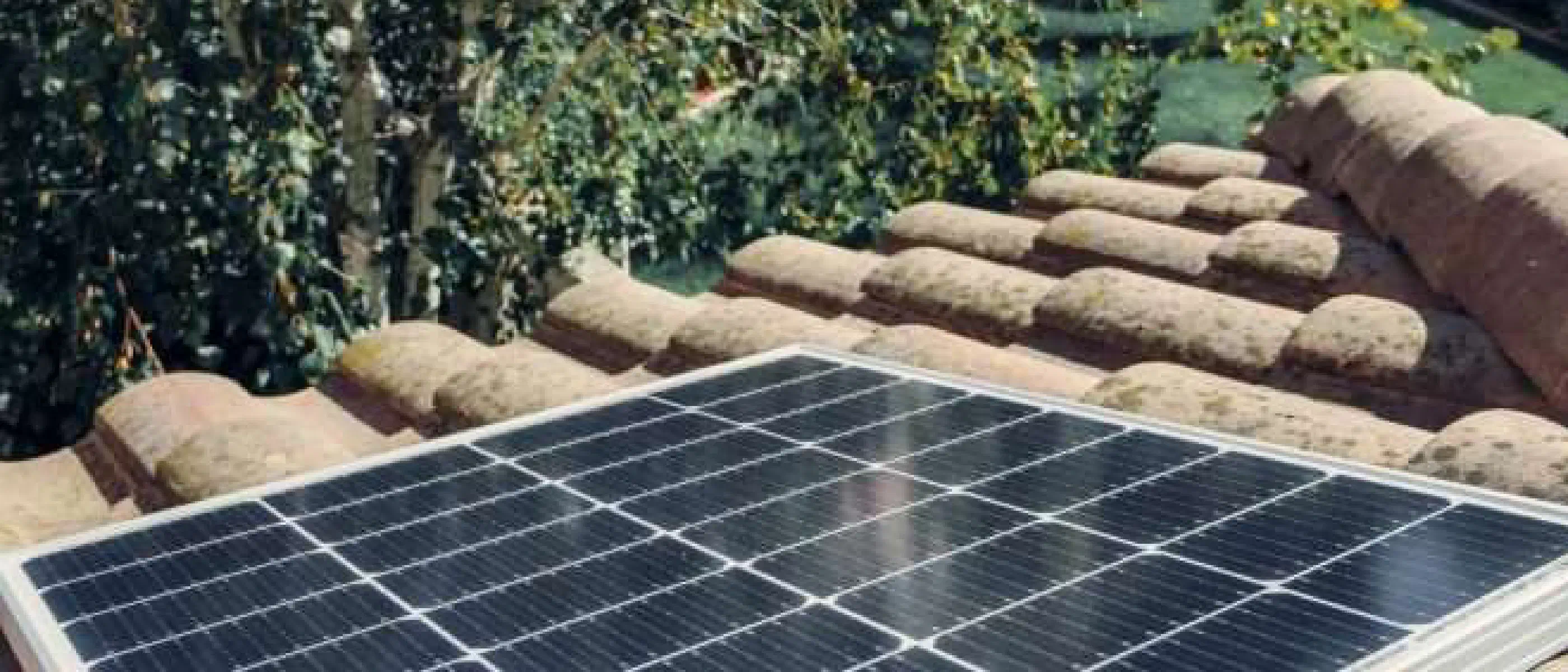
The sun is the largest renewable source of energy on earth. There are many applications in which ‘our’ sun functions as an energy source.
Converting sunlight into heat
One of the applications is converting sun rays into heat. Sunlight heats your home through floors and walls. The sun can also be used to heat water. The sunlight is converted into heat using a solar collector. A heat exchanger then transfers the heat to an insulated water tank/reservoir, where the heat is stored so that it can be used later.
Converting sunlight into electricity
The sunlight can also be converted into electricity. Some materials, such as silicon, can be made sensitive to daylight through a special treatment. When that material is then exposed to solar radiation, an electric current is generated, the so-called ‘photovoltaic effect’ (PV). The electricity can then be used for the daily ins and outs of your home.
Solar panels therefore supply electricity from a sustainable source. The electricity generated can be used for household appliances, but also in combination with, for example, a heat pump to heat your home. This means you use less fossil fuels for heating and electricity in your home, which is ultimately better for the environment.
Orientation
To make optimal use of the sun, it is important to point the direction of solar panels and collectors towards the sun. In the Northern Hemisphere this means that the panels should be oriented towards the south. This means that the solar panels have the most yield. Does this mean that solar panels facing east or west are pointless? Well, not that now either. Solar panels facing east and west still have a yield of around 80%, depending on the angle of inclination. Ultimately, the better the solar panels are oriented towards the south, the more yield they can deliver.
Is sunlight enough?
If you install enough solar panels and use batteries to store the excess energy generated for bad times, you can get by with just the power of the sun. But in most cases the answer is: “No, sunlight alone is not enough.”